The Untraditional Traditional Wedding
Think of a wedding.
The bride is most likely wearing a white dress, and she’s accompanied by one of her many bridesmaids in matching gowns. There is probably a theme- maybe rustic, romantic, or fairy tale, with some sort of glitter lights all around, fancy seating charts, and chairs that have flawlessly tied bows. The color scheme perfectly matches the decor, and if you remember, the invitations you once received in the mail. All of these components sum up an average westernized wedding that typically has 100-200 people, roughly costs $50,000, and lasts one day (or two if you count the rehearsal dinner).
Now think of an Indian wedding.
No matter if you've attended one or not, the standards of a wedding in India supersede the typical United States wedding. Indian weddings on average last three to five days, cost at least $100,000, and never have fewer than 500 guests. Indian weddings are illustrative and meant to reflect not only the culture but also the celebration of two families through traditional representation and intricate symbolism.
Thus, Indian weddings are very elaborate, and the celebration of Jahnvi and Dravya Dholakia exceeded that standard. Dravya, only son to Savji Dholakia, one of India’s richest men, and Jahnvi, daughter of a real-estate entrepreneur and the only daughter in her immediate family, are both something to celebrate. Also known as the perfect recipe for a perfect Hindu wedding.
Dravya’s father, Savji Dholakia, is the founder and chairman of Hari Krishna Exports, a leading company in the diamond industry. From Indian businessman to philanthropist, Mr. Dholakia was awarded the Padma Shri (2022), the fourth-highest civilian award in India. For the Dholakias, this is a reflection of who they are: a family that gives back to their roots through charities such as the Dholakia Foundation.
Dravya is poised to carry on his family’s legacy and has already built on the foundation laid by his father, including becoming CEO of Dholakia Ventures. Dravya’s personality is influential, and his story is inspiring, making him a humble businessman and even better husband.
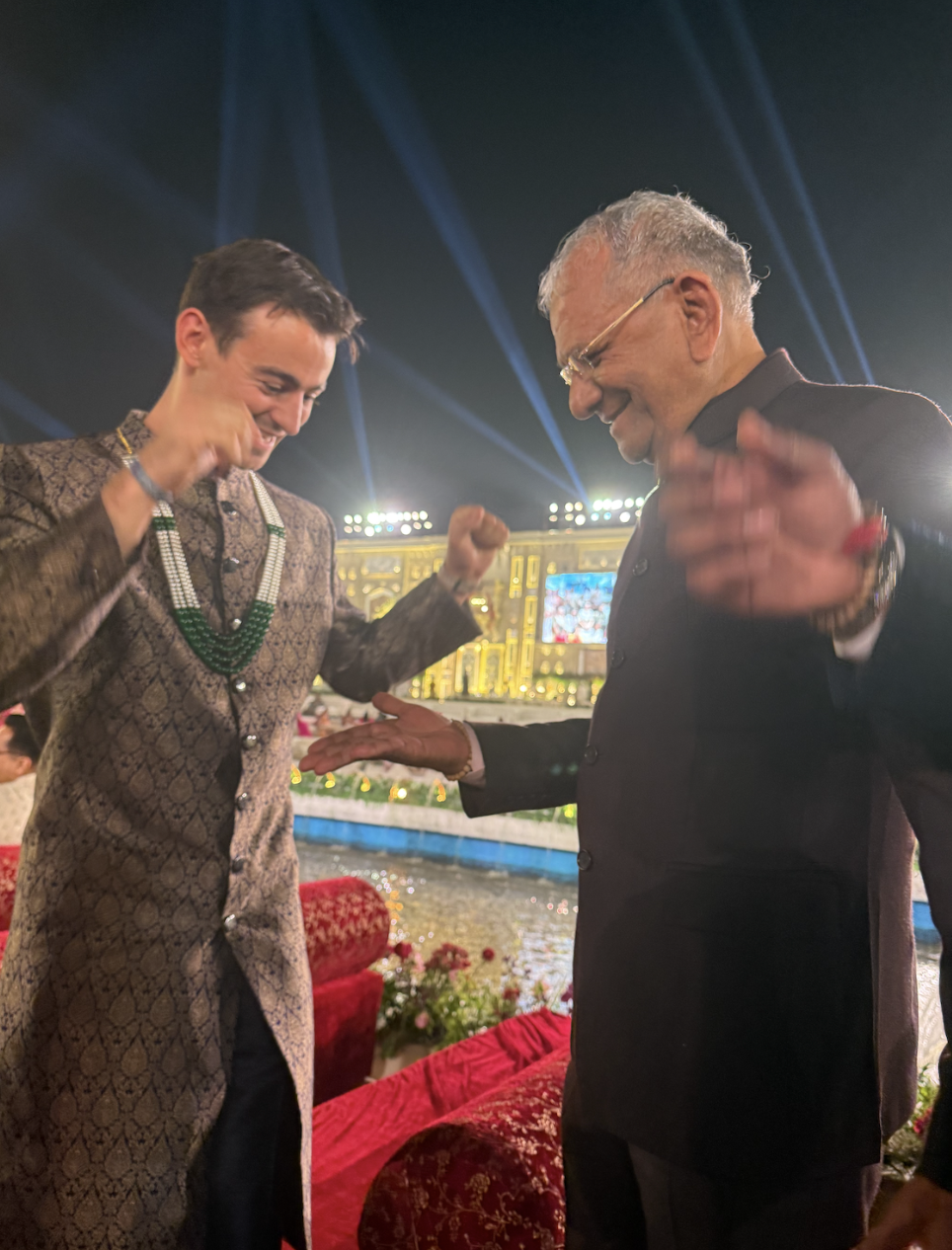
Technically, their ceremony was held in October 2024, when Prime Minister Narendra Modi attended and blessed the couple, making headlines and shocking guests with the appearance of the esteemed international figure. Due to the close relationship of him and Mr. Dholakia, he was invited to the wedding years prior during a meeting in New Delhi.
Jahnvi tells me about the ceremony, “We got married at our place in our hometown Dudhala, called ‘Het ni Haveli’, the palace of love.”
Despite the couple not intending to have their wedding ceremony at that time, it was scheduled to accommodate their busy schedules, while still holding great value and representing the love Dravya and Jahnvi share. `
Months later the couple decided to finish celebrating their marriage, and hosted a four week long wedding across two cities with more than 5,000 guests.
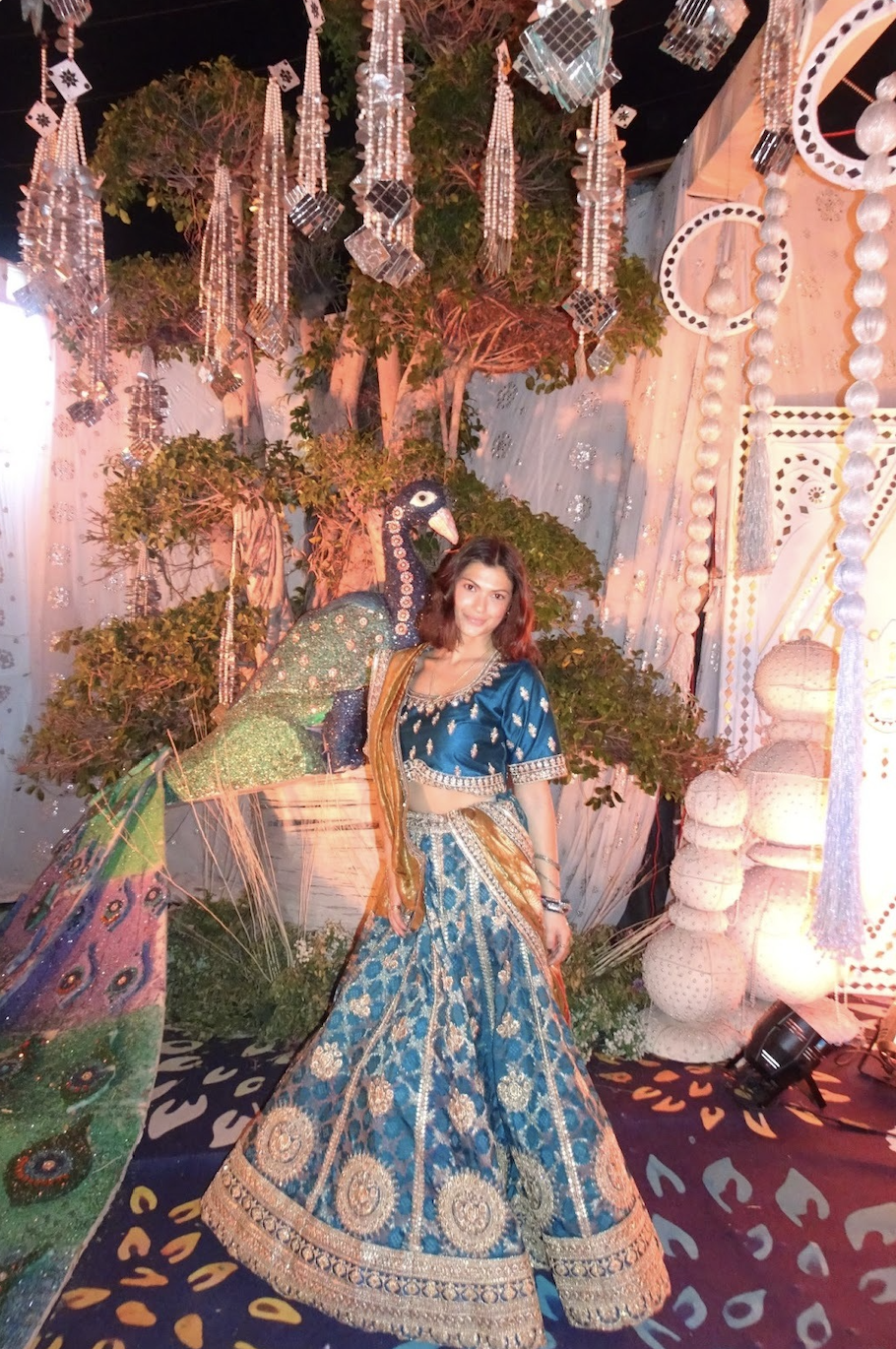
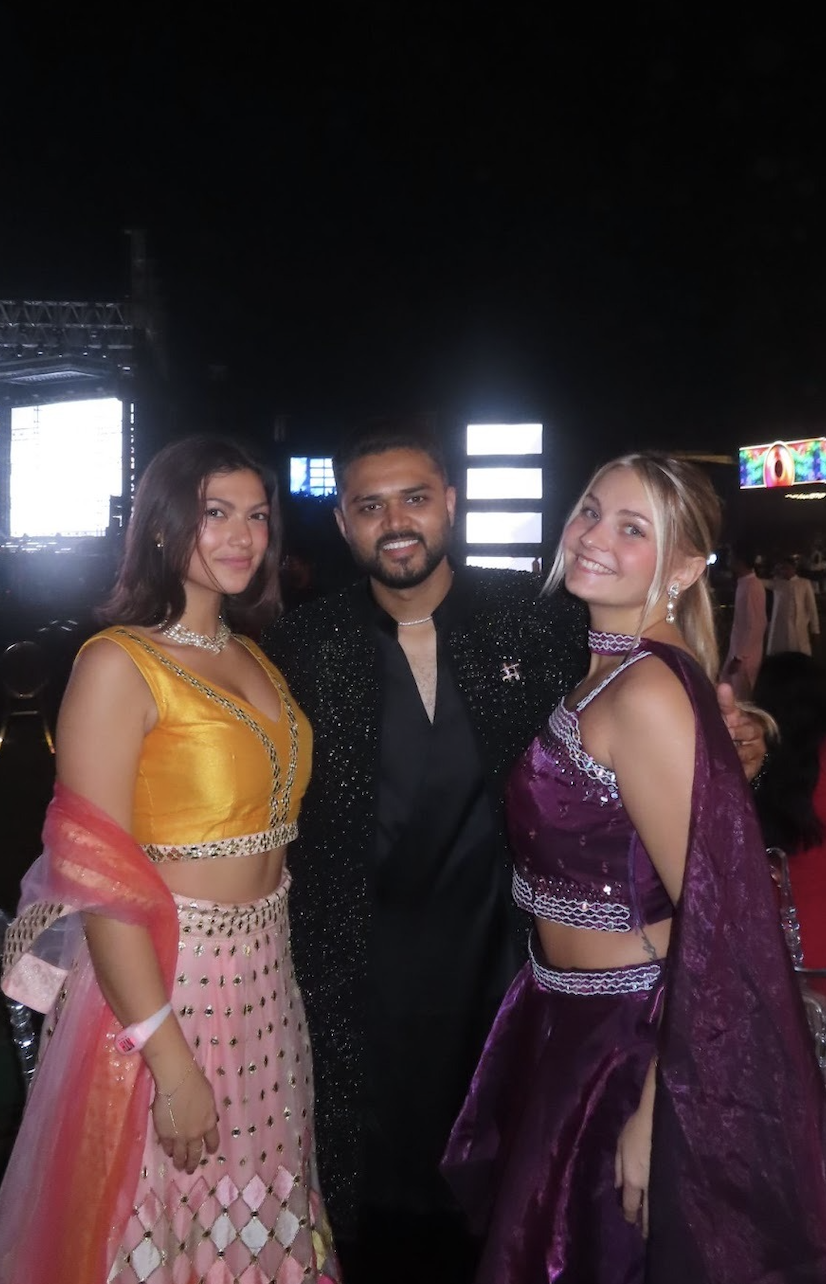
As Americans, we had the opportunity to attend the celebration, witness wedding culture, and learn about their traditions, which was exhilarating. My friends and I first met Dravya in November 2024 while we were studying abroad in India. Just a month after his ceremony, he invited us back for the celebrations. By meeting Dravya once, my friends and I were able to see the charismatic and noble man he is.
As five of us embarked on the journey back to India, a few short months after traveling the world, we had close to no idea what to expect. A multitude of questions fled our minds, but we did our best and packed our bags to find out.
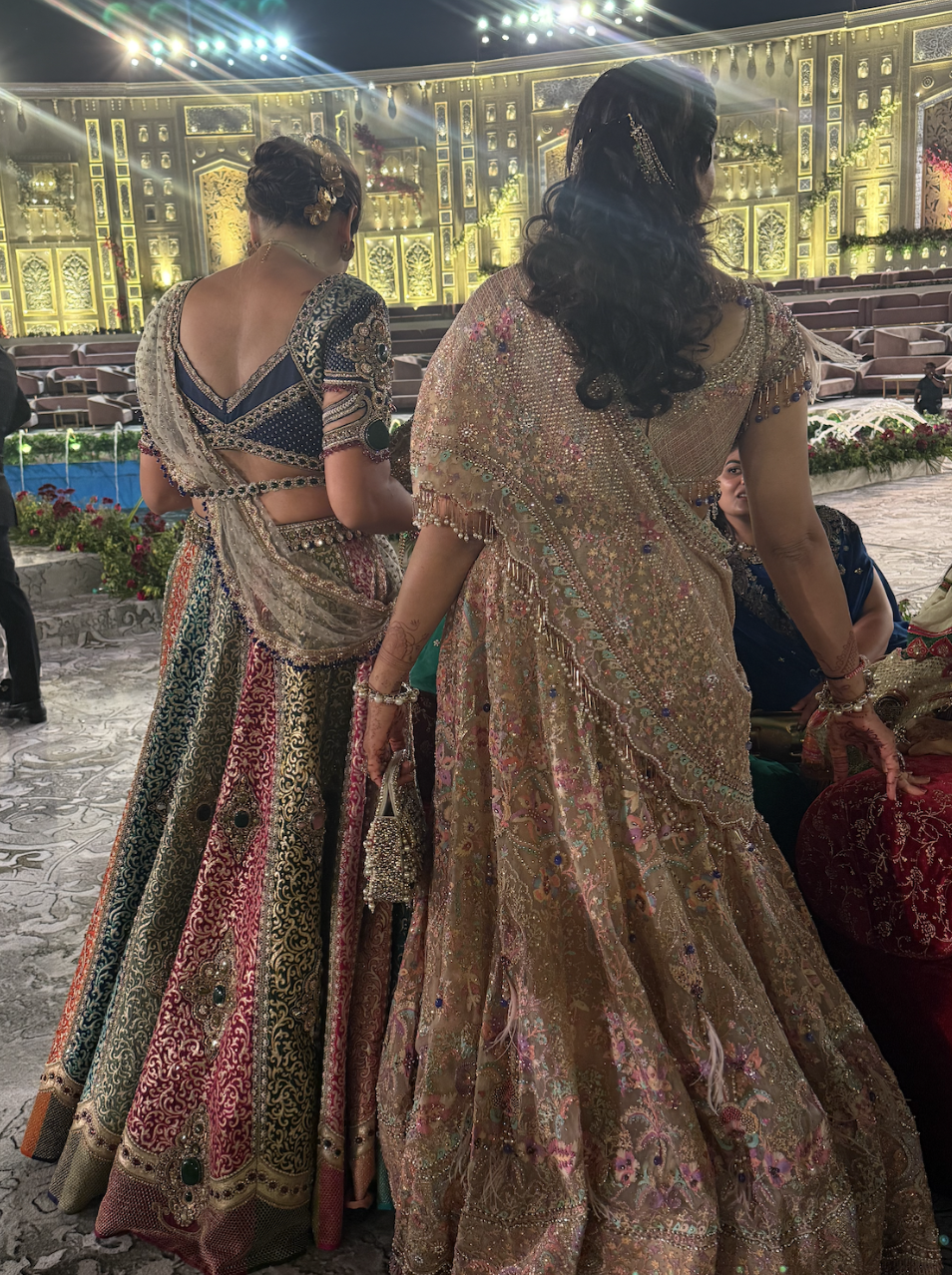
The wedding (or at least part of it) took place in Surat, India, the world's diamond hub. Surat is a western state in Gujarat, which processes around 90% of the world's diamonds across more than 5,000 advanced, large-scale manufacturing units. You can only imagine the jewelry, headpieces, accessories, and outfits on display. Between the bride and groom alone, they wore 200 carats of diamonds, estimating a total of $15 million dollars.
Dravya’s wife, Jahnvi, is not only considered one of the luckiest women in India but also one of the most fashionable. She is kind, beautiful, and insightful on how her outfits represented the love she and Dravya share.
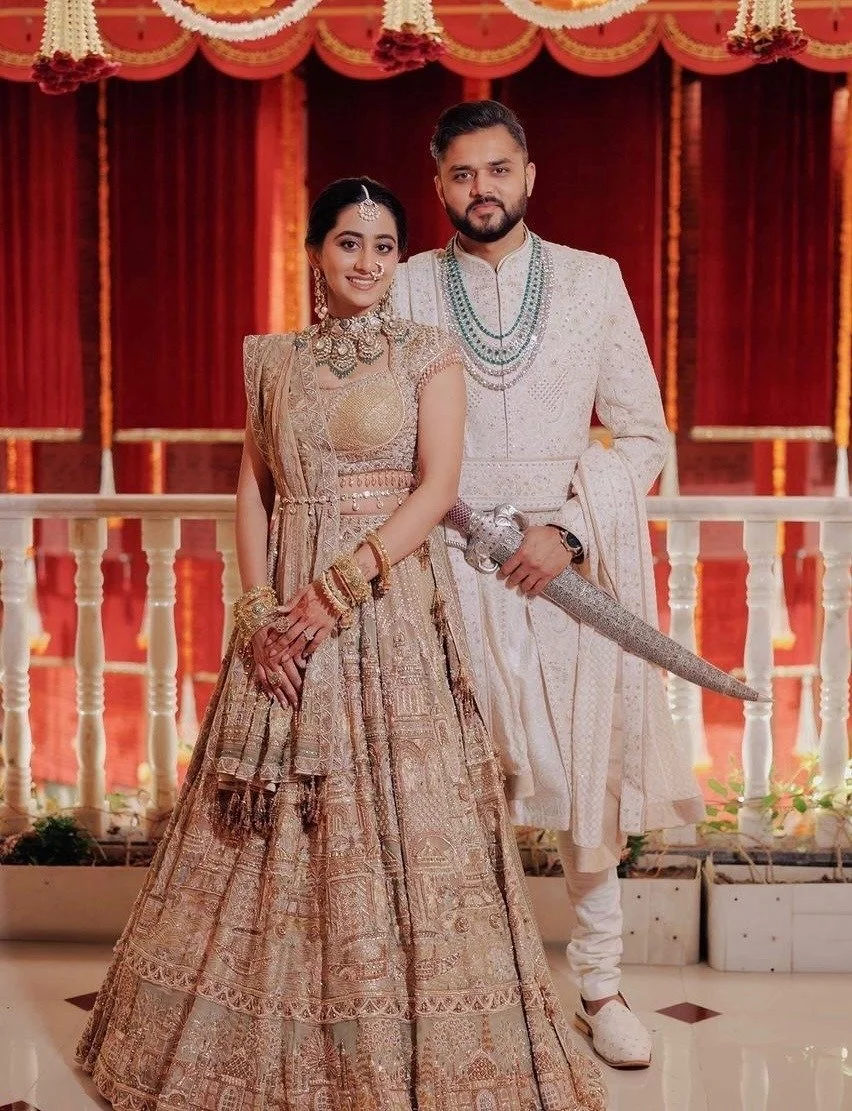
Jahnvi’s dress was by Tarun Tahiliani, from the Otherworldly collection. The outfit weighed about thirty pounds, and despite its weight, she tells me, “It felt like my second skin with its soft pastel hues. It wasn’t a love at first sight, though, it wasn’t an instant yes when I'd first tried it on, but it was the only outfit of mine that Dravya and I had picked together.”
Upon reflection of her dress, she confesses the symbolism of it, “I later realised how it truly translated the story of our wedding through the surface ornamentation.
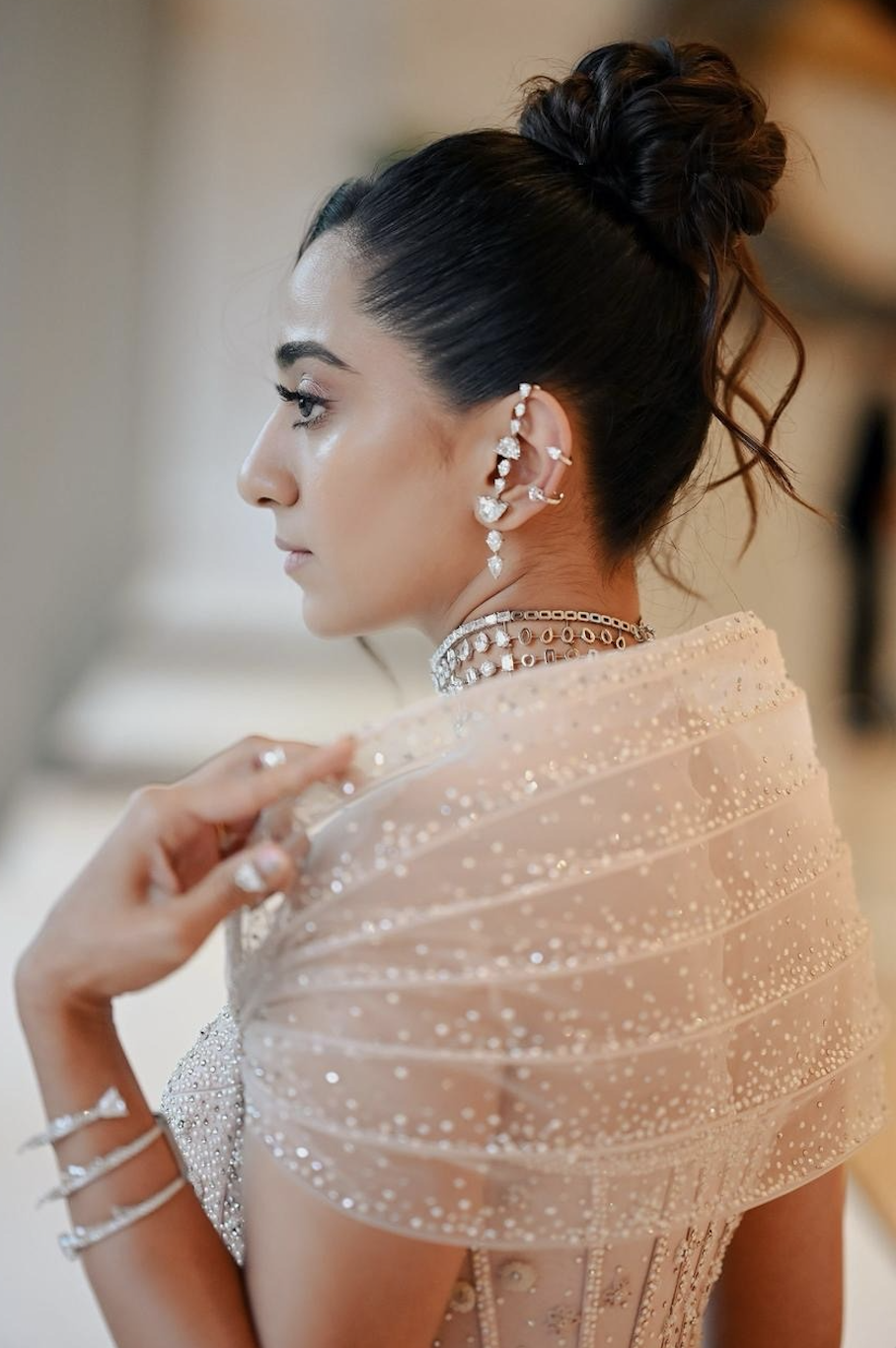
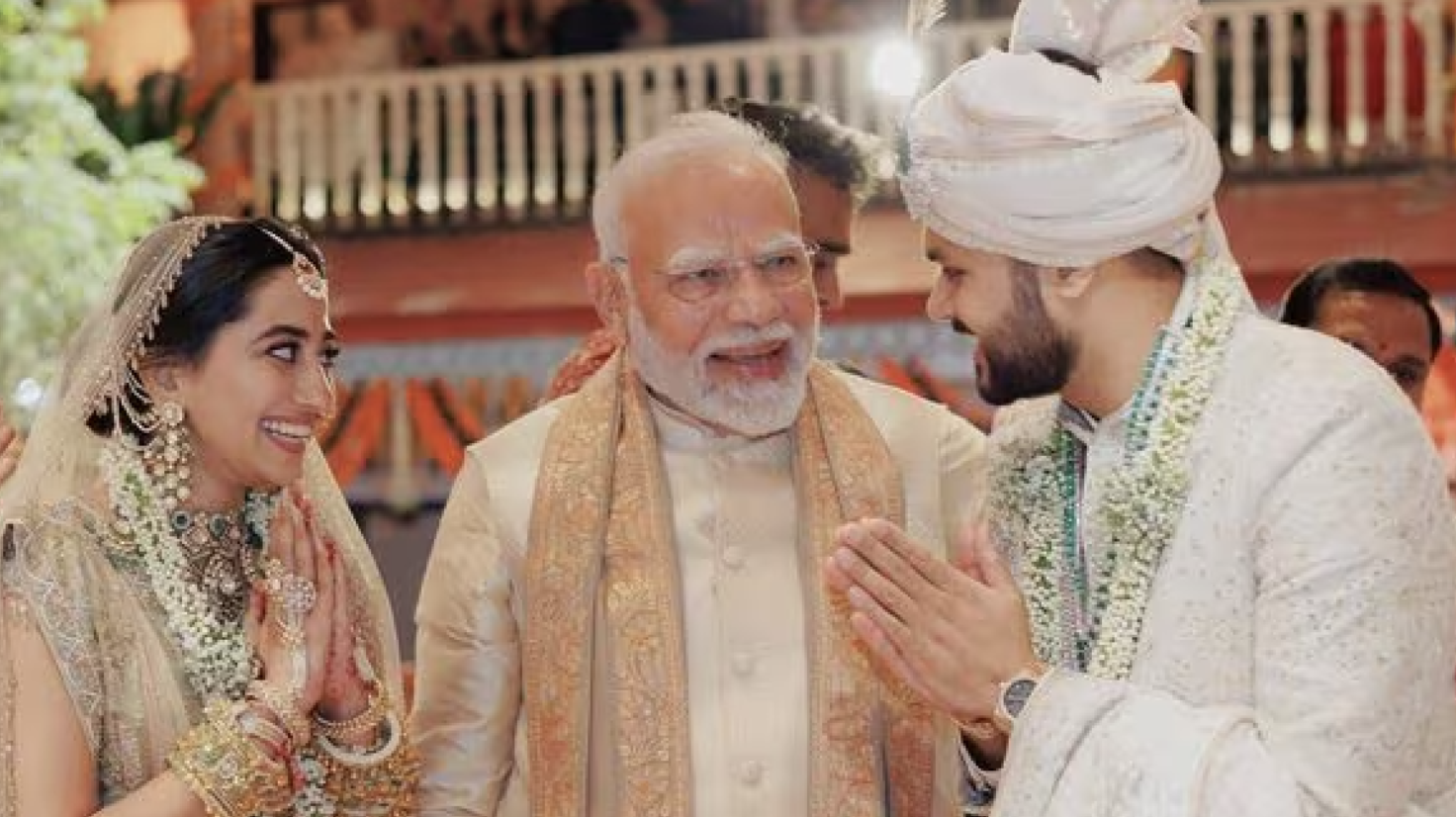
It’s beautifully embroidered with motifs of palaces and lakes.”
Forget the simple white dress at this point.
Johnny Vrba, a 24-year-old author of Seas the Day and devout Catholic, shares his opinions on Indian fashion, despite his faithfulness to the simple white tee and Birkenstocks. He confesses, “I loved seeing the dresses- I thought it was way more unique, way more fun, than just seeing the plain old wedding dress.”
He continues to describe the apparel he saw at the wedding. “They want to show, hey, we got wealth, we can show it in the patterns, we can show it in the clothing, fabric, and designs. The attention to detail, the fit.”
“They don't want anyone to think that's off the shelf,” he adds. Which is true- everything is personalized and pinned accordingly. We visited shops that can have garments tailored to your body and ready the same day.
If the outfits weren’t enough, what's a woman without her diamonds? With unlimited accessibility to the world's best diamonds, her jewelry is what little girls dream of. Her wedding pieces were heavy, sparkly, and, as she prefers them, colorful.
She admits, “If I’d have to be honest, I would wear colored stones over diamonds, having an easy access to them does influence my preferences.” She is pictured with lots of green accents in her jewelry on her wedding day. Emerald represents new beginnings, fertility, and prosperity.
However, Jahnvi keeps it classy, with her day-to-day as, “My engagement ring, tennis bracelet, and heart-shaped solitaires on my neck & ears on any casual day.”
I think we all aspire to have casual days like hers.
Gujarat is also one of the dry states of India, and has an alcohol ban attributed to Mahatma Gandhi, who advocated for prohibition throughout his life. Which raised one important question to us Americans- what do you mean there won’t be any alcohol?
From no white dress in sight to no alcohol at any vendors, we started second-guessing how this was considered a wedding.
Or as Margot Jankord, 20-year-old student from North Carolina, puts it, “All the drinks were virgin… that was weird because I don’t think any American wedding is sober.”
Soon, we realized that’s almost the entire point. The dancing, music, interactions, and memories of the celebrations were genuine (and remembered).
Margot goes on to admit, “We were able to chat for hours and bond without alcohol.”
Intentionally, there was espresso instead of tequila. The guests danced for hours, courtesy of that caffeine pick-me-up. This was nothing like our typical westernized wedding, which was a culture shock.
“We are actually dancing to the music, not dancing because drugs are allowing us to,” Johnny confides.
The dancing did more than bring people to the dance floor; it transcended its purpose. Johnny shares, “I’ve never experienced this, but I’ve been to some wealthy weddings in the US, and the people that have the most money are the people in the back of the room sitting with their arms crossed. And in India, it is quite literally the exact opposite.”
“Normally it's like ‘come on grandma’ and ‘come on grandpa,’” Johnny goes on. But not at this wedding.
“Savji Dholakia, he is the one on the drums, he is the one banging on symbols, he is the one on the stage, he’s the one with the microphone, he's the one breaking it down.” Safe to say he was not sitting down with his arms crossed.
“I think that means the culture in India is really about masculinity and stamina,” Johnny discloses. Even though no set rule was established, just by observing the men, it looked like a competitive dance battle. A dance battle, which I’d rather perform sober, too.
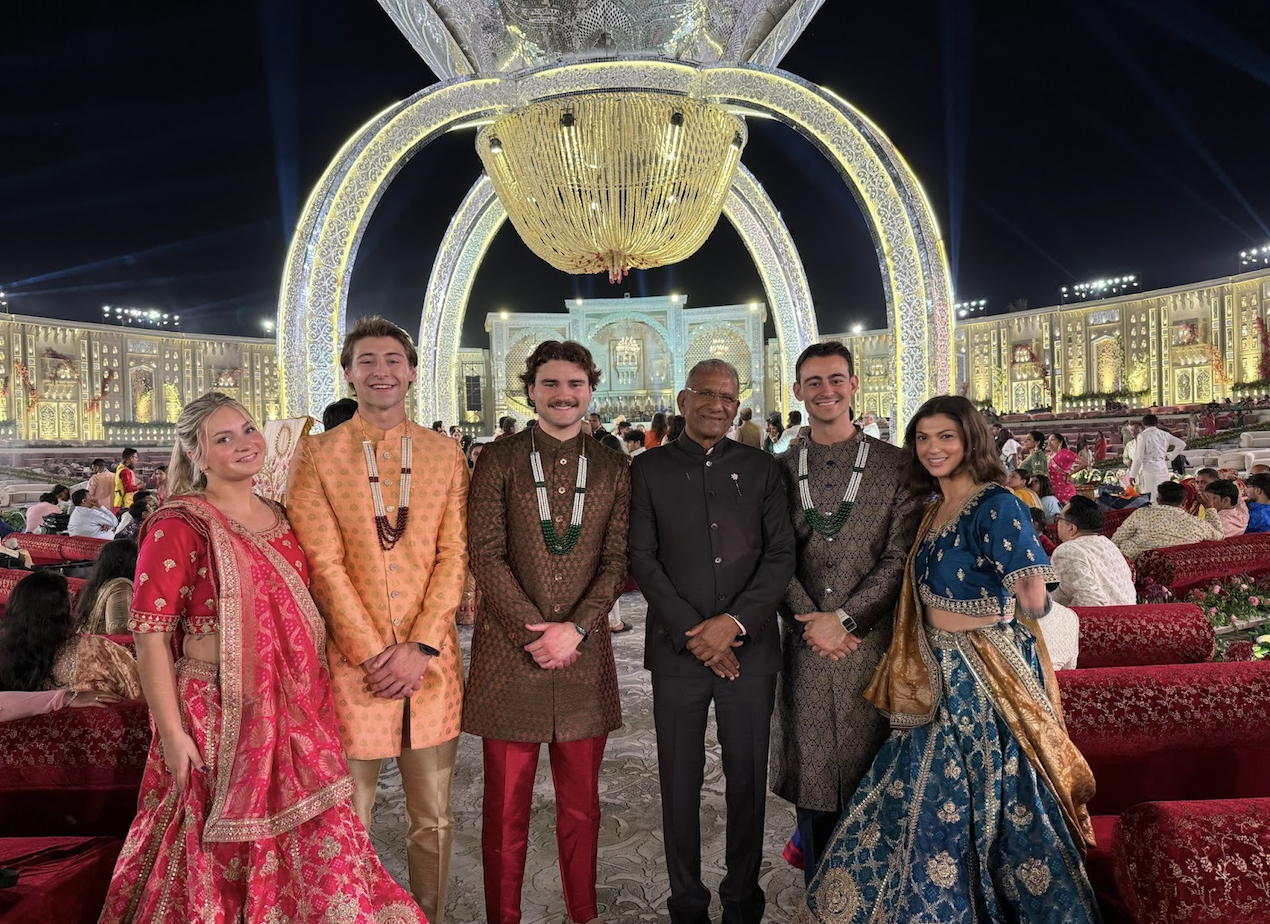
The wedding brought people together from all over the world, as we met businessmen and high-profile individuals from Europe to Asia, as well as music icons such as Indian singer and rapper Mika Singh. As some of the only Americans there, when we saw everyone dancing, we joined and followed the appropriate dance moves the best we could.
Although maybe it was easier for us than we thought. Margot explains one of the interactions, saying, “When we were on stage with Mika Sigh…that was pretty weird because we didn’t know him or the songs, but we still got up on stage because…I think because we were white.”
Similar to what Johnny admits, “Going to this Indian wedding, I knew I was obviously going to be a minority..for the first time.”
Margot and Johnny paint a picture of what it was like as Americans at the wedding. We are used to being one of many, so these interactions shed light on us moving outside our social comfort zones.
The women welcomed us with open arms and invited us to dance with their circles. The men danced and also welcomed us, showing us exactly how to dance and the appropriate moves for each song.
“Being on stage with the bridesmaids. There were a lot of other people at the wedding who just did not get up on stage or even get to meet the bride and groom, and we were in the bridal party…It was very strange,” Margot reveals.
Despite us not knowing these individuals, they were honored to meet us, average Americans. We were unsure of what we did to deserve such treatment and welcome, from private transfers to handmade dresses, their hospitality was unlike anything we have experienced.
Beyond the dancing, the traditions executed during Indian weddings were fascinating and engaging. Instead of throwing rice, we were ringing bells and touching feet.
‘Charan Sparsh’ or the Indian version of what Johnny explains, “‘Namaste’ in Indian culture, is a sign of respect to the gods and to the elders. And you do it [touch their feet] to your grandparents or someone significantly older than you.”
At the wedding, we had the opportunity of meeting Govind Dholakia, another Indian icon in the diamond business. Johnny immediately bent down to touch his shoes, and before his knee hit the floor, Govind told him it wasn’t necessary and greeted us like a friend. It was an honor and an eye-opening experience to be excused from this act. Govind, owner of SRK Diamonds, is known for the quote, “Diamonds are Forever, So Are Morals.” Our interaction with him for no more than two or three minutes, was perfectly reflected by his motto.
We also witnessed the thoughtful representation of love and devotion expressed in their 15 ceremonial rituals. The Hindu ceremony ranged from bites of honey to the sacrifice of cows.
In America, it is considered chivalrous for a man to ask his partner's father’s permission to take his daughter's hand in marriage. However, part three of the ceremony, Madhupark, sets a new bar for the bond between a man and his father-in-law.
The Madhuparka ceremony is a way for the bride’s father to officially welcome the groom. Madhupark consists of ghee (butter), yoghurt, and honey, which symbolize the earth's nectar. Honey represents sweetness, ghee is nourishment and yoghurt is the symbol of unity. Therefore, the components that the bride's father honors the groom. Much classier than cracking a cold beer between a man and his future son-in-law, I’d admit.
Most importantly, Jahnvi reveals her true feelings about her wedding. “Our wedding was just like Dravya and I had always talked about, very intimate and full of love.”
I genuinely don’t know how I am ever going to be happy with my own wedding now…